Choosing the Right Material for Your Driveway Installation
When it comes to enhancing the curb appeal and functionality of your home, driveway installation is a critical component. Selecting the right material for your driveway can significantly impact not just aesthetics but also longevity, maintenance, and cost. In this guide, we will explore various materials used for driveway installation, their pros and cons, and tips for making the best choice for your home.
Common Driveway Materials
- Concrete
- Asphalt
- Gravel
- Pavers
- Brick
1. Concrete Driveways
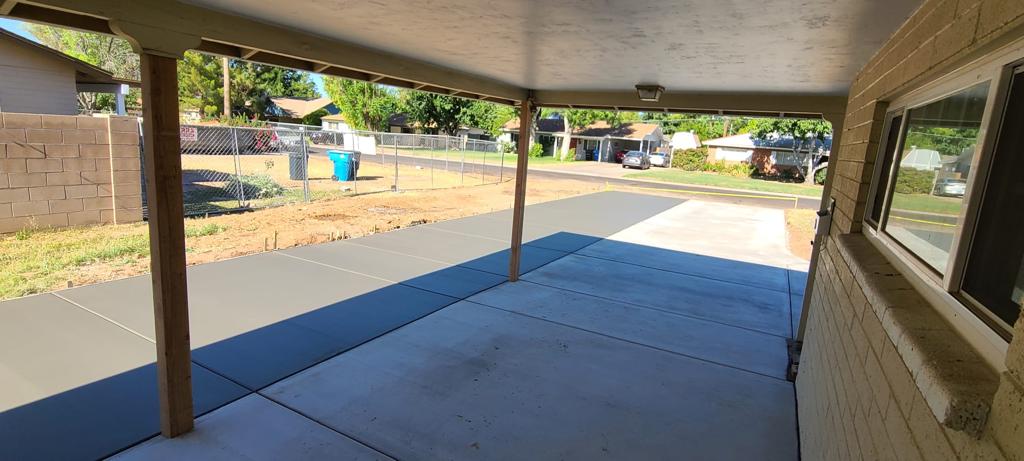
Concrete driveways are a popular choice due to their durability and low maintenance. They can be customized with various finishes and colors.
- Pros:
- Long-lasting and durable
- Low maintenance requirements
- Variety of design options
- Resistant to weather conditions
- Can be reinforced for added strength
- Cons:
- Higher initial installation cost
- Can crack in extreme temperatures
- Requires sealing to prevent stains
2. Asphalt Driveways
Asphalt is another common material for driveways, known for its smooth surface and ease of installation. It is a cost-effective option.
- Pros:
- Lower installation cost than concrete
- Quick installation process
- Flexible and resistant to cracking
- Ideal for colder climates
- Cons:
- Requires regular maintenance and sealing
- Less durable than concrete
- Can soften in extreme heat
3. Gravel Driveways
Gravel driveways are an affordable and easy-to-install option, offering a rustic look. However, they require more maintenance to keep them looking good.
- Pros:
- Very low installation cost
- Easy to install and repair
- Good drainage properties
- Wide variety of colors and sizes
- Cons:
- Requires regular replenishing of gravel
- Weeds can grow through gravel
- Not suitable for heavy traffic
4. Pavers Driveways
Pavers offer a stylish and customizable option for driveways. They can be arranged in various patterns and colors, making them a favorite for many homeowners.
- Pros:
- Highly customizable designs
- Durable and can withstand heavy loads
- Easy to replace individual pavers if damaged
- Good drainage options
- Cons:
- Higher initial cost than asphalt or gravel
- Installation can be complex and time-consuming
- Moss or weeds can grow in between pavers
5. Brick Driveways
Brick driveways provide a classic and sophisticated look. They are incredibly durable and can last for decades with proper maintenance.
- Pros:
- Timeless aesthetic appeal
- Extremely durable and long-lasting
- Low maintenance requirements
- Can be easily repaired
- Cons:
- Higher upfront costs
- Labor-intensive installation process
- Can be slippery when wet
Factors to Consider When Choosing Driveway Material
- Budget: Determine how much you are willing to spend.
- Climate: Consider the weather conditions in your area.
- Traffic: Assess the amount of traffic your driveway will endure.
- Aesthetic Preferences: Choose a material that complements your home's style.
- Maintenance: Factor in how much upkeep you are willing to perform.
Conclusion
Choosing the right material for your driveway installation is crucial for ensuring its longevity, functionality, and visual appeal. By considering the pros and cons of each material along with your specific needs, you can make an informed decision. Whether you opt for concrete, asphalt, gravel, pavers, or brick, a well-chosen driveway will enhance your home’s value and curb appeal.