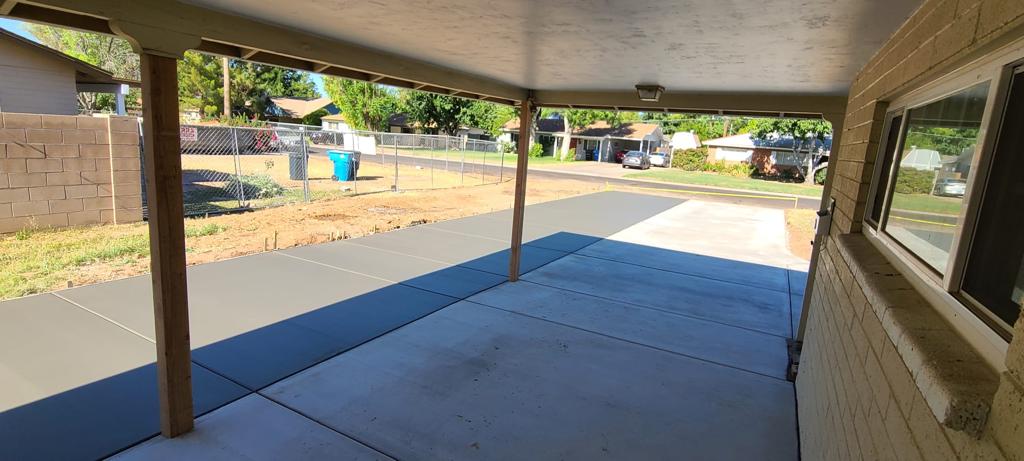
Understanding the Concrete Mixing Process
Concrete mixing is a crucial step in the construction process that can significantly impact the quality and durability of the final product. Whether you are a professional contractor or a DIY enthusiast, understanding the concrete mixing process is essential for achieving optimal results. In this guide, we will delve into the components of concrete, the mixing process, and provide tips for successful mixing.
Components of Concrete
- Cement: The primary binding agent in concrete.
- Water: Activates the cement and aids in the curing process.
- Aggregates: Sand and gravel or crushed stone that provide strength and bulk.
- Admixtures: Optional additives that can enhance performance characteristics.
Each of these components plays a vital role in the overall performance of concrete. Understanding their properties and how they interact is crucial for achieving the desired consistency and strength.
The Concrete Mixing Process
The concrete mixing process involves several steps that ensure the proper blending of materials. Here’s a breakdown of the process:
- Step 1: Measure Materials - Accurately measure the quantities of cement, aggregates, and water required for your mix.
- Step 2: Mix Dry Ingredients - Combine cement and aggregates in a mixing container until evenly blended.
- Step 3: Add Water - Gradually introduce water to the dry mix while stirring. This helps prevent clumping.
- Step 4: Mix Thoroughly - Continue mixing until the concrete reaches a uniform consistency without lumps.
- Step 5: Workability Test - Check the workability of the mix. It should be workable enough to pour but not too runny.
Tips for Successful Concrete Mixing
- Use clean, high-quality materials to ensure strength and durability.
- Avoid over-watering as it can weaken the concrete mix.
- Mix in small batches to maintain control over the consistency.
- Consider using a concrete mixer for larger projects to ensure thorough mixing.
- Always wear appropriate safety gear, including gloves and a mask.
Common Mistakes to Avoid
- Incorrect measurements leading to weak concrete.
- Failing to mix thoroughly, resulting in uneven consistency.
- Not accounting for environmental factors like temperature and humidity.
- Rushing the curing process, which can cause cracking.
Conclusion
Understanding the concrete mixing process is fundamental to achieving high-quality results in any construction project. By following the steps outlined in this guide and avoiding common mistakes, you can ensure that your concrete mix is strong, durable, and fit for purpose. Whether you are working on a small DIY project or a larger construction endeavor, mastering the art of concrete mixing will set the foundation for your success.